What is Thermoforming Film?
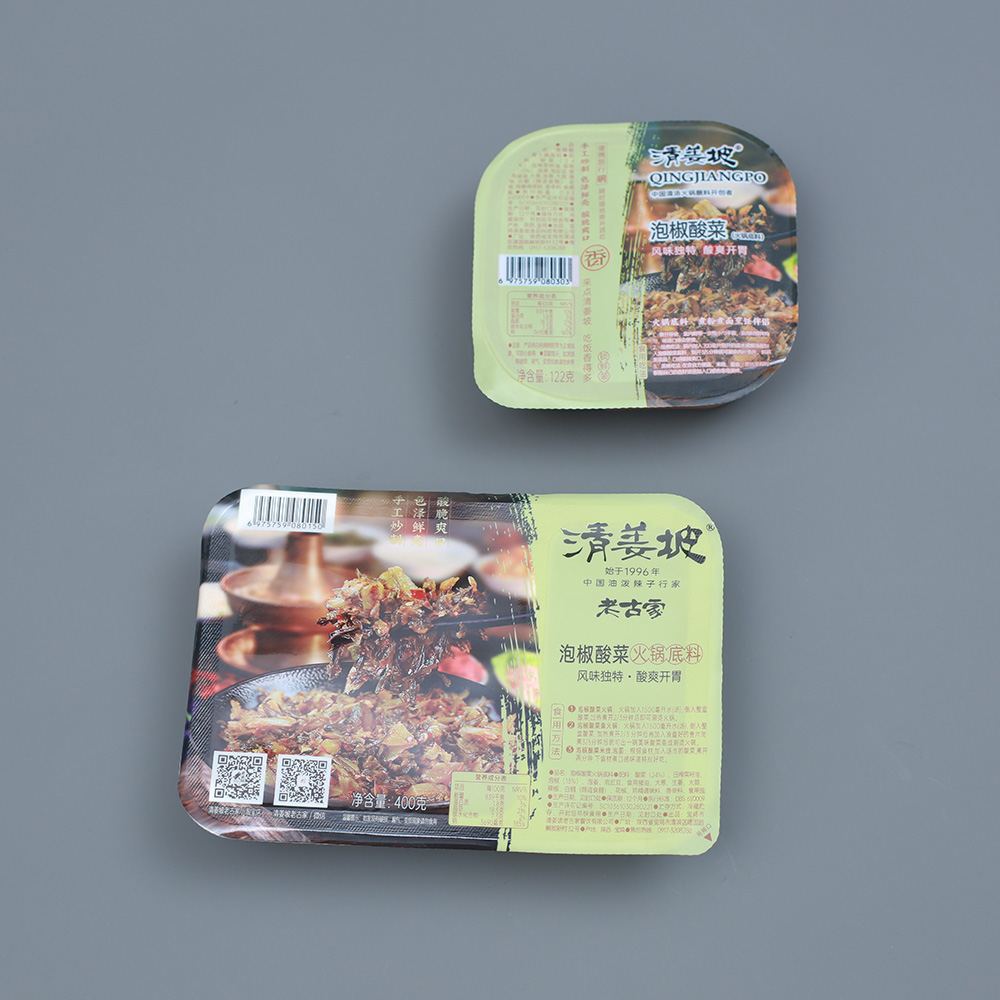
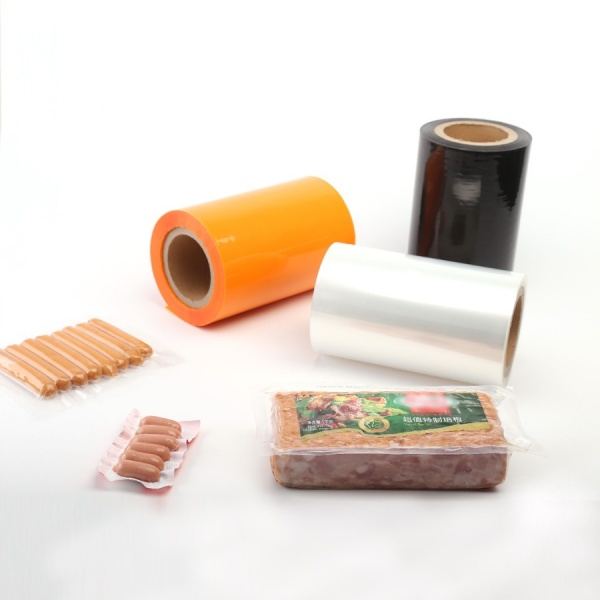
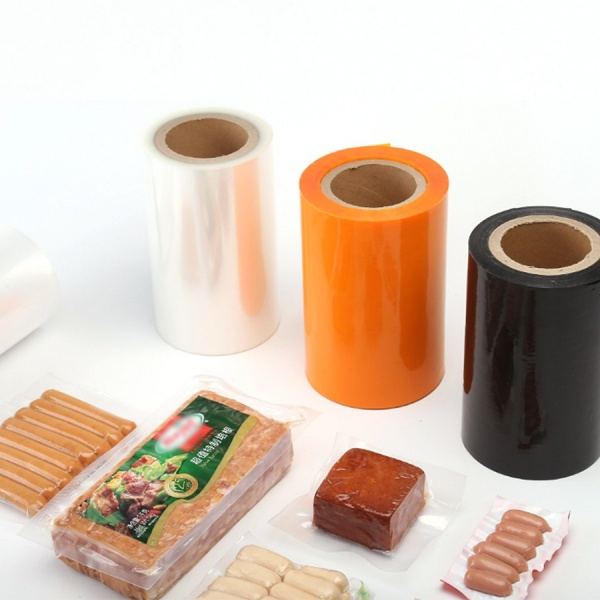
Thermoforming film is a multi-layer flexible packaging film used in thermoformer machines to create the bottom web (base tray) of vacuum or modified atmosphere packages. The film is heated, formed into a cavity using a die, filled with product, covered with a top film (lidding film), and then sealed and cut into individual packs.
This packaging method is widely used for fresh meat, seafood, cheese, ready meals, and other food products that require extended shelf life and attractive retail presentation.
How Thermoforming Works
On a thermoformer machine (such as Multivac, ULMA, or Henkelman), the bottom film roll passes through the following stations:
- Forming station: Film is heated and vacuum-formed into the desired cavity shape
- Loading station: Product is placed into the formed cavities
- Sealing station: Top (lidding) film is heat-sealed onto the filled trays
- Cutting station: Individual packages are die-cut from the web
The key characteristic of thermoforming film is its ability to be deep-drawn — heated and stretched into a three-dimensional shape without cracking or losing barrier properties.
Main Structures: PA/PE vs PA/PP
Thermoforming films are typically multi-layer co-extruded films. The two most common structures are:
PA/PE (Polyamide / Polyethylene) — Low Temperature
The most widely used thermoforming film structure. PA provides puncture resistance, excellent oxygen barrier (especially with EVOH), and deep-draw capability. PE provides the heat-sealing layer.
- Sealing temperature: 120°C – 160°C
- Best for: fresh meat, seafood, cheese, deli products
- Temperature resistance: up to 80°C
PA/PP (Polyamide / Polypropylene) — High Temperature
Designed for high-temperature applications including retort and hot-fill packaging. PP provides a higher melting point than PE and greater stiffness for rigid-look packaging.
- Sealing temperature: 160°C – 200°C
- Best for: cooked meats, ready meals, retort pouches
- Temperature resistance: up to 135°C (retort)
Key Insight: Adding an EVOH (ethylene vinyl alcohol) layer between the PA and PE/PP layers dramatically reduces oxygen transmission — from ≤20 cm³/m²/day to ≤2–3 cm³/m²/day. For oxygen-sensitive products like fresh meat, EVOH is essential for achieving 14+ day shelf life.
Understanding Barrier Properties
The barrier performance of a thermoforming film determines how long the product remains fresh inside the package. The key barriers are:
- Oxygen (O₂) barrier: Critical for preventing oxidation, discoloration, and aerobic bacterial growth. Measured in cm³/m²/day.
- Moisture vapor barrier: Prevents dehydration and weight loss of the product.
- CO₂ barrier: Important in MAP (modified atmosphere) packaging to maintain the gas mixture.
How to Choose the Right Thermoforming Film
When selecting a thermoforming film, consider these key factors:
1. Product Type and Shelf Life Requirement
Fresh meat, seafood, and cut cheese require high oxygen barrier (EVOH) for 14–21 day shelf life. Cooked meats may need retort-capable (PA/PP) films. Produce may need breathable films.
2. Your Packaging Machine
Different machines have different film requirements — forming depth, sealing temperature range, and film width. Our films are pre-tested for Multivac, ULMA, Henkelman, Supervac, and all major brands. If you're unsure, send us your machine model and we'll recommend the compatible film specification.
3. Forming Depth
Deeper draw depths require films with higher stretch ratios. Standard films handle draw depths up to 60mm; deep-draw films can handle 100mm+. Tell us your cavity dimensions and we'll specify the correct grade.
4. Thickness
Thicker films (150–200 μm) provide better rigidity and protection for heavy products. Thinner films (60–100 μm) reduce material cost and waste. The optimal thickness depends on your product weight and handling requirements.
Recommendation: Not sure which film is right for you? Send us: (1) product type and weight, (2) required shelf life, (3) machine brand and model, (4) cavity dimensions. Our engineers will recommend the optimal specification within 24 hours.
Conclusion
Thermoforming film is a critical component of modern food packaging lines. Choosing the right structure — PA/PE or PA/PP, with or without EVOH, at the right thickness and width — directly impacts your shelf life, packaging efficiency, and product appearance.
At ThermoFilmX (Peidi New Materials), we produce both PA/PE and PA/PP thermoforming films in our own factory in Jiangsu, China. All films are tested on our in-house sealing and barrier testing equipment before dispatch.
Get a Free Thermoforming Film Sample
Tell us your application and we'll send you the right sample within 7 days — no commitment required.