Product Comparison · March 2026 · 5 min read
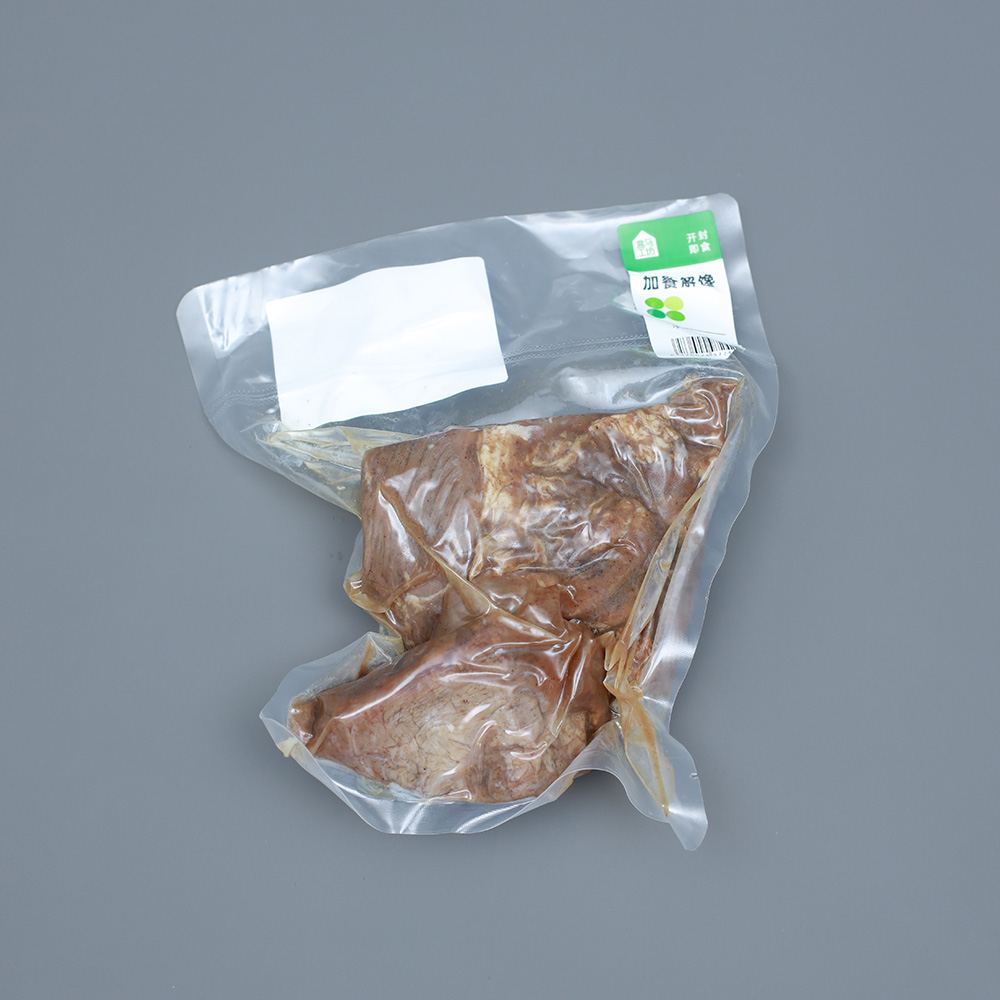
Both thermoforming films and vacuum bags are used extensively in food packaging, but they serve different operational models. Choosing the right format depends on your production volume, product shape, desired shelf life, and capital budget.
| Factor | Thermoforming Film | Vacuum Bags |
|---|---|---|
| Machine Cost | High ($30,000–$200,000+) | Low ($2,000–$20,000) |
| Speed | Very High (500–3000 packs/hr) | Low–Medium (20–200 packs/hr) |
| Shelf Life | Up to 21+ days (with EVOH) | 10–21 days |
| Product Presentation | Premium retail-ready trays | Simple, functional |
| Film Cost per Pack | Lower at scale | Higher per unit |
| Flexibility | Fixed cavity size per die | Flexible sizes |
For high-volume retail operations, thermoforming is the clear winner in efficiency and presentation. For flexible, lower-volume operations or products with irregular shapes, vacuum bags are a cost-effective and practical choice. Many processors use both formats for different product lines.
Our engineers will assess your production volume and recommend the optimal packaging format.
Get Free Advice